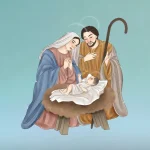

Introdaction
What is faith in God? It is a deep, inner conviction in His existence, goodness, truth, and faithfulness.
Table Of Content
- Introdaction
- 1. An inner call to understand more
- 2. A child’s 🧒 need for safety and love ❤️
- 3. A need for connection, not just an answer 💬
- Why is faith one of the deepest longings of the heart ❤️?
- Because faith meets the needs no system can fulfill
- Why Does the Heart Seek God?
- The Difference Between Religion, Knowledge, and Faith
- What is Religion?
- What is Knowledge?
- What is Faith?
- A Practical Tip
- What Is Faith: Meanings, Images, and Examples
- Faith is Not Just Knowing – It’s Trusting
- The Biblical Definition of Faith
- Faith as a Bridge Between the Invisible and Reality
- Images of Faith in Everyday Life
- Practical Insights
- What is faith in God?
- Faith is not in “power” or “fate,” but in a Person – the living God
- A personal relationship, not a formality
- Faith is our response to God’s love
- How God reveals Himself to people
- 2. Through history
- 3. Through personal experience
- The Example of Faith: The Life of Jesus Christ
- Jesus is not only the Savior – He is the example of faith
- The Faith of Jesus in the Desert: Trust in Temptation
- The Faith of Jesus in Gethsemane: Trust in Extreme Pressure
- The Faith of Jesus on the Cross: Trust in Complete Darkness
- Jesus’ Call: “Believe in God, believe also in Me”
- How faith is formed: the path of each person
- Faith is not a one-time decision, but a journey
- How faith arises: through doubt, questions, seeking
- Real-life stories: how faith grows in ordinary life
- Insight
- What holds you back from believing?
- Disappointment, Pain, and Wounds
- The Gap Between Form and Essence
- Lack of Personal Experience
- Conclusion
- Faith and Reason: Do They Contradict Each Other?
- Faith and Reason: A Union, Not a Conflict
- Scientists Who Believed in God
- Why Faith Isn’t Blindness
- Practical Insights for Those Who Doubt
- How to Live by Faith Every Day
- Prayer as the Breath of Faith
- Choosing to Trust – in Small and Big Things
- Faith in Action: Love, Good Works, Forgiveness, Mercy
- Struggle and Growth: How Not to Lose Faith in Difficult Times
- Faith in the Modern World
- Is Faith Still Needed in the Technological Age?
- Making Room for God in a Life Flooded with Information
- Why Thousands Are Seeking Jesus Again Today
- Conclusion: Faith is an invitation
- God does not force – He invites
- Faith begins with a small “yes“
- A path where you don’t need to know everything – just to walk with Him
- An invitation for the heart
- Prayer of Response
- What is faith? What does it mean to have faith in God?
- What is Faith
- What is Faith in God
- The Example of Jesus Christ
- How Faith Grows
- Practical Steps
- Appendices
- Bible Verses About Faith
- Testimonies of Believers
- Questions for Personal Reflection 💭
It is not just agreement with the fact that God exists 🤍, but a personal relationship with Him.
Faith begins with trust – you accept God’s love even when you cannot see Him with your eyes.
It lives in the heart ❤️ and acts in every choice, decision, and hope.
What moves us to ask questions about faith?
1. An inner call to understand more
When we face difficulties, most people instinctively search for something deeper than just answers.
We wonder:
- Why did this happen to me?
- What is the purpose of my life?
- Is there someone who fully understands me?
These questions do not fade with age.
They become clearer when we face loss, uncertainty, or even joy 😄 that we long to share with Someone greater than ourselves.
2. A child’s 🧒 need for safety and love ❤️
From early childhood, every person needs:
- protection 🛡️
- a kind explanation of what is complex
- the assurance that they are not alone
These same needs remain in adults.
And this is why we ask: “Is there One who holds everything in control and at the same time gently holds me?”
3. A need for connection, not just an answer 💬
People seek not only information, but relationship.
Deep in our hearts, we don’t just want to know that God exists – we want Him to be near, to listen, understand, and support us.
Why is faith one of the deepest longings of the heart ❤️?
Because faith meets the needs no system can fulfill
| Human Need | What Faith in God Gives |
|---|---|
| To be understood | God knows each heart to its depths |
| To be accepted | God’s love is unconditional and constant |
| To have meaning | Life is not a coincidence but a calling |
| To not fear death | Faith gives hope for eternal life |
| To endure pain | God does not promise ease, but He gives strength |
Why Does the Heart Seek God?
- We are created for relationship. Just as a child instinctively reaches out to their father, we are drawn to our Creator.
- Neither money, success, nor human relationships can fully satisfy. We long for something deeper -something unchanging, faithful, and eternal.
- There is a space in every heart that only God can fill. This is not just a phrase – it is the lived experience of millions who found peace not through achievements, but through meeting the Living God.
The Difference Between Religion, Knowledge, and Faith
What is Religion?
Religion is a system of rituals, rules, and traditions created by people in an attempt to reach out to God.
There is value in it:
- it preserves the memory of faith
- it carries culture
- it holds examples of spiritual experience
But religion is not always the same as living faith.
One can be “religious” and still not know God personally.
What is Knowledge?
Knowledge is information.
For example, knowing that:
- Jesus Christ was born over 2000 years ago
- the town of His birth was Bethlehem
This is important information.
But knowledge alone doesn’t heal the heart – unless it leads to a relationship with the Creator.
What is Faith?
Faith is:
- not just acknowledging that God exists
- but trusting Him as a Father who loves, guides, forgives, and supports
Religion without faith is form without fire.
Knowledge without faith is letter without life.
Faith is a heart reaching out to God with love and hope.
A Practical Tip
To check if your faith is alive, ask yourself three questions:
- Do I turn to God not only in trouble but daily?
- Do I trust Him even when I don’t understand my circumstances?
- Do I long for Him more than just answers to my needs?
What Is Faith: Meanings, Images, and Examples
Faith is Not Just Knowing – It’s Trusting
Many people think faith is just knowing something about God or agreeing that He exists.
But in the Bible, faith is much deeper.
Faith is not just intellect – it’s heart.
Not just “I’ve heard about God,” but “I trust Him like a child trusts their father.”
Even when you don’t understand everything.
Even when it’s dark and the way ahead is unclear.
Faith means living with hope, acting with trust, loving with an open heart – even when there are no guarantees.
The Biblical Definition of Faith
The Bible clearly defines faith. In Hebrews 11:1 it says:
“Now faith is the substance of things hoped for, the evidence of things not seen.”
This means:
- “Things hoped for” are what we sincerely long for – God’s help, goodness, salvation
- “Things not seen” are what we can’t perceive with our eyes, but our hearts believe are real – God, His love, His presence
Faith is a confidence you can’t hold in your hands, but that holds you when everything around you is shaking.
Faith as a Bridge Between the Invisible and Reality
Imagine a river.
On one side is you. On the other – God’s light, hope, peace.
But between you is water 🌊, deep and cold.
Faith is the bridge 🌈 God builds so you can cross.
You don’t see the whole bridge from the start.
But each step strengthens the foundation.
Faith is walking forward even when you don’t see the whole path, because you trust the One leading you.
Images of Faith in Everyday Life
To better understand what faith is, let’s look at a few simple examples:
| Image | Explanation |
|---|---|
| Child 👧 and Father | A child doesn’t know how the world works 🌏, but holds their father’s hand. That is trust – deep, sincere, and natural. This is how our faith in God should be. |
| Bridge in the fog 🌫️ | You can’t see what’s ahead, but you trust the bridge is strong. This is like following God, even when the whole path is not visible. |
| Compass 🧭 in the dark | Even in complete darkness, a compass shows the direction. Faith is like an inner compass that leads to God’s light, even when everything around is dark. |
| Promise 💌 | Faith is like holding a letter with a promise from God. You haven’t seen it yet, but you believe – because you know Who made the promise. |
Practical Insights
- Faith begins with something small. You don’t need to know everything about God – just say to Him sincerely, “I want to trust You.”
- Doubts are not enemies of faith. They are steps. The main thing is not to stop and not to stay alone.
- Faith grows through action. Small steps – reading one chapter from the Gospel, praying in your own words, helping someone – strengthen your faith.
- God values your sincerity more than your perfection. Even if your faith is like a mustard seed, it’s enough to begin.
“Faith is when you don’t see yet but already give thanks. When you don’t hold it in your hands yet, but you know God has prepared something better than you dream of.”
What is faith in God?
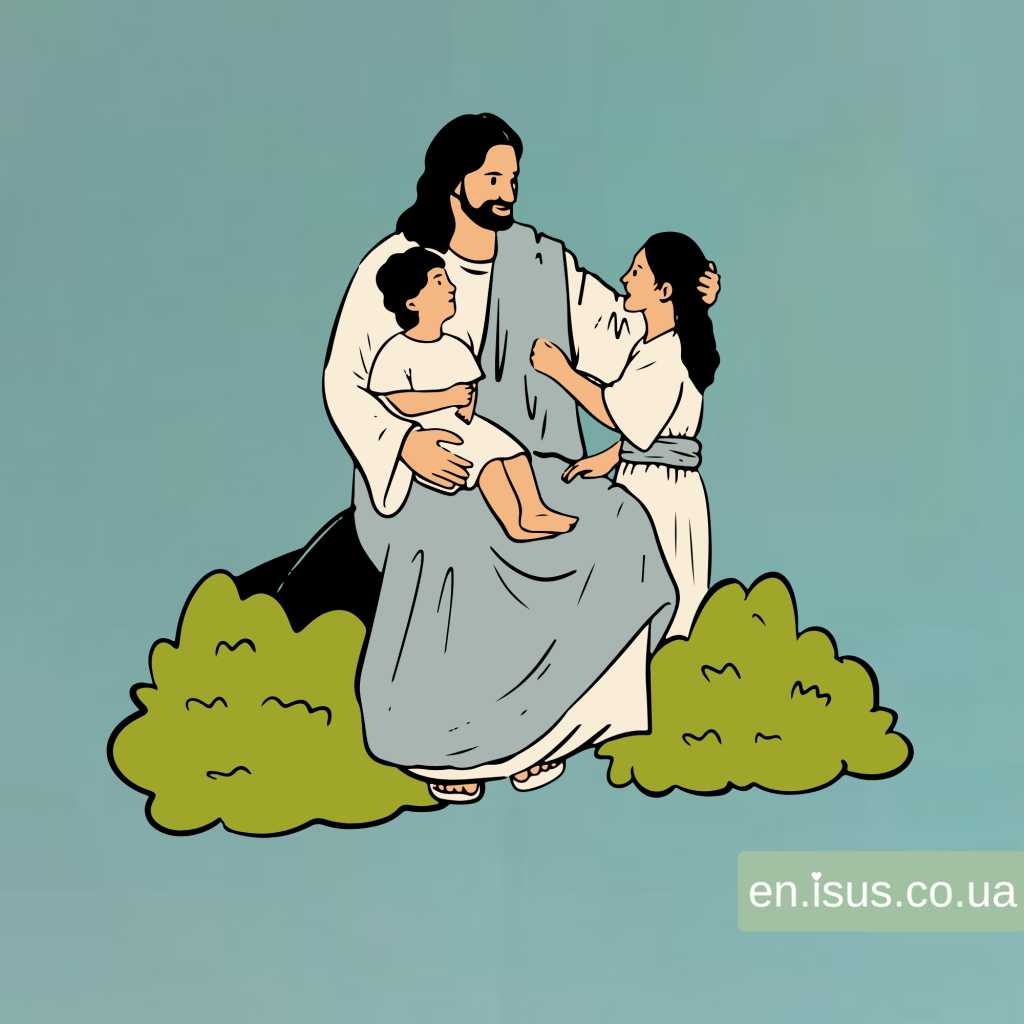
Faith is not in “power” or “fate,” but in a Person – the living God
Faith in God is not belief in invisible forces or a faceless destiny.
It is trust in a specific Person – the living God who loves, hears, understands, and acts.
In the Bible, God has a name, a character, a voice 🗣️.
He is not an energy, not an abstract “universe,” but a loving Creator who says to each person, “Do not be afraid, for I am with you” (Isaiah 41:10).
The Bible contains over 3,000 passages where God speaks directly to people.
His love is not a philosophical idea but a constant, active presence.
He is not distant—He is near.
Examples:
- Abraham believed not in the possibility of having children, but in the God who gave the promise (Romans 4:20)
- David didn’t just hope for victory – he trusted in the God who leads the battle (1 Samuel 17:45)
- Mary, the mother of Jesus, accepted the impossible – because she knew Who was speaking: “Let it be to me according to Your word” (Luke 1:38)
A personal relationship, not a formality
Faith in God is not a list of religious duties.
It is a relationship – honest, alive, and daily.
Just as a child speaks with their father, a believer talks to God – in joy 😁, in fear 😳, in silence 🤫.
Marks of a real relationship with God:
- Dialogue, not monologue – prayer means not only speaking, but also listening
- Presence, not ritual – God is not waiting only in the church building. He is with us on the road, in the kitchen, at the hospital bed
- Love, not fear – faith is born where there is safety. God does not punish mistakes – He lovingly teaches us
“Behold, I stand at the door and knock. If anyone hears My voice and opens the door, I will come in to him” (Revelation 3:20).
Faith is our response to God’s love
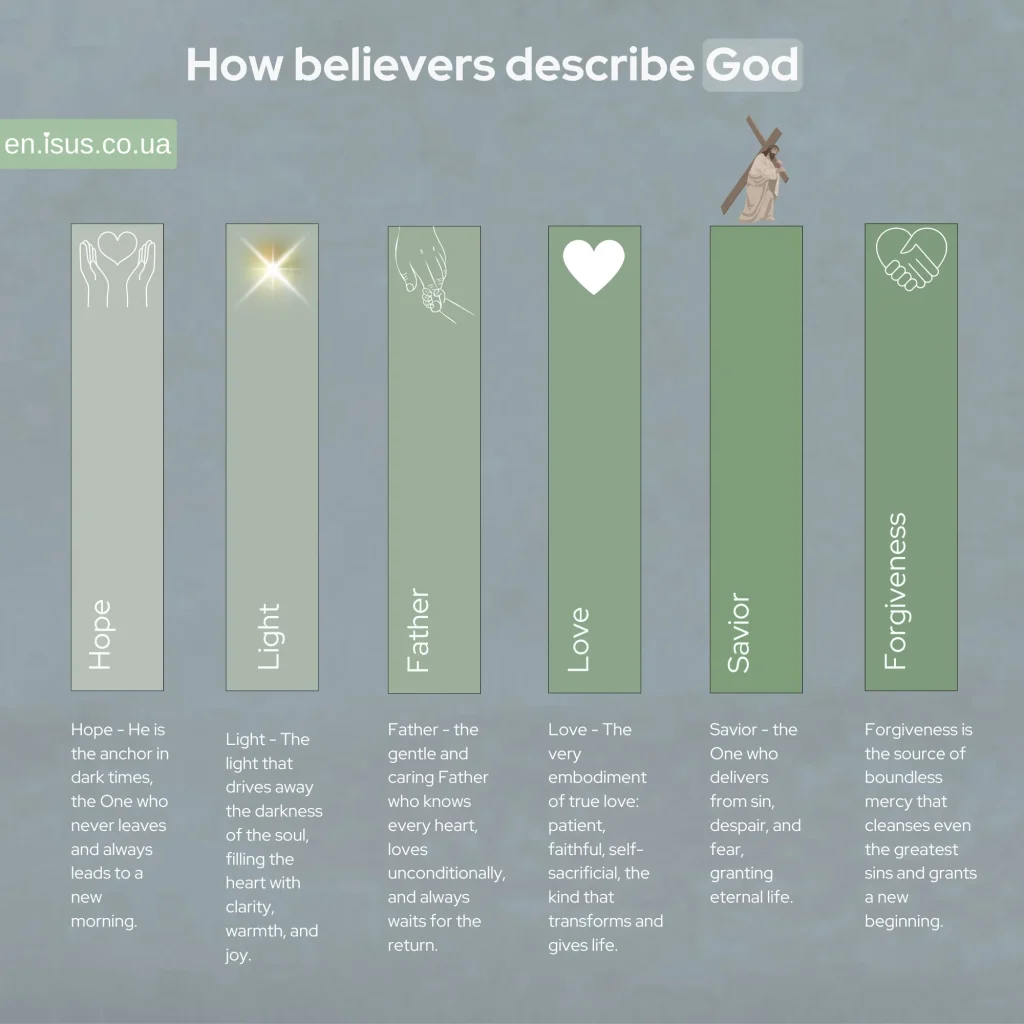
Faith is not pressure or obligation.
It is a response to love that already exists.
God loved humanity first.
He does not say, “Become better – then I will love you.”
His love is unconditional.
And faith grows where this love is received.
Table: Faith not out of duty, but in response to love
| Thinking without understanding God’s love | Thinking transformed by God’s love |
|---|---|
| “I must believe or I’ll be punished” | “I want to believe because God loves me so tenderly” |
| “I’m afraid God won’t accept me” | “I know God accepts me even in weakness” |
| “I must prove my faith by deeds” | “I act out of love because I trust Him with all my heart” |
“We love Him because He first loved us.” (1 John 4:19)
How God reveals Himself to people
1. Through His Word
The Bible is not just a book.
It’s a letter 💌 from God.
In it is His heart, His story with humanity, His voice.
It speaks directly to the questions in your soul.
It tells the truth about who you are, why you exist, and what it means to be beloved.
2. Through history
God acts in real time 🕖.
The birth of Jesus is not a legend but a historical fact – Jesus Christ was born in Judea, a Roman province (present-day Israel/Palestine), in the town of Bethlehem.
3. Through personal experience
God speaks through circumstances, inner peace, and words of others.
Often, the most important encounters with Him happen in the simplest moments:
- in the quiet before sleep
- in a child’s words
- in a memory that warms the heart
- in a sudden hope when everything feels lost
“You were searching for Me – but I was already near. You asked – but I was already answering through love.”
Practical advice for those seeking faith
- Start with an honest conversation with God. Don’t search for perfect words. Just speak your heart
- Open one chapter from the Gospels – perhaps from John. Read it slowly, like a letter from Someone who loves you
- Write down what you feel. Faith grows where there is attention
- Don’t rush. God is not racing against time. He waits with love
Faith in God is not a complex religion, but a tender relationship with the One who created and loves you.
It is the path of a heart learning to trust – even before understanding everything.
And God is not waiting for you to become strong 💪.
He wants to be with you now – in everything, lovingly, gently, truly.
The Example of Faith: The Life of Jesus Christ
Jesus is not only the Savior – He is the example of faith
He didn’t just teach people to believe in God – He lived a life of trust.
His life is the image of complete, unconditional faith – not built on words, but on a heart that deeply knows: the Father is near, even when everything feels dark.
The Faith of Jesus in the Desert: Trust in Temptation
After His baptism, Jesus went into the desert for 40 days.
He was hungry, alone, and tempted by the devil:
- turn stones 🪨 into bread 🍞
- throw Yourself down – God will save You
- bow 🧎 to me – You’ll receive all kingdoms
Jesus didn’t respond with fear or anger.
He responded with the Word of God.
He didn’t act on His own – He trusted the Father’s will.
Insight: Faith is not acting out of panic but resting in God’s plan – even when we crave immediate answers.
The Faith of Jesus in Gethsemane: Trust in Extreme Pressure
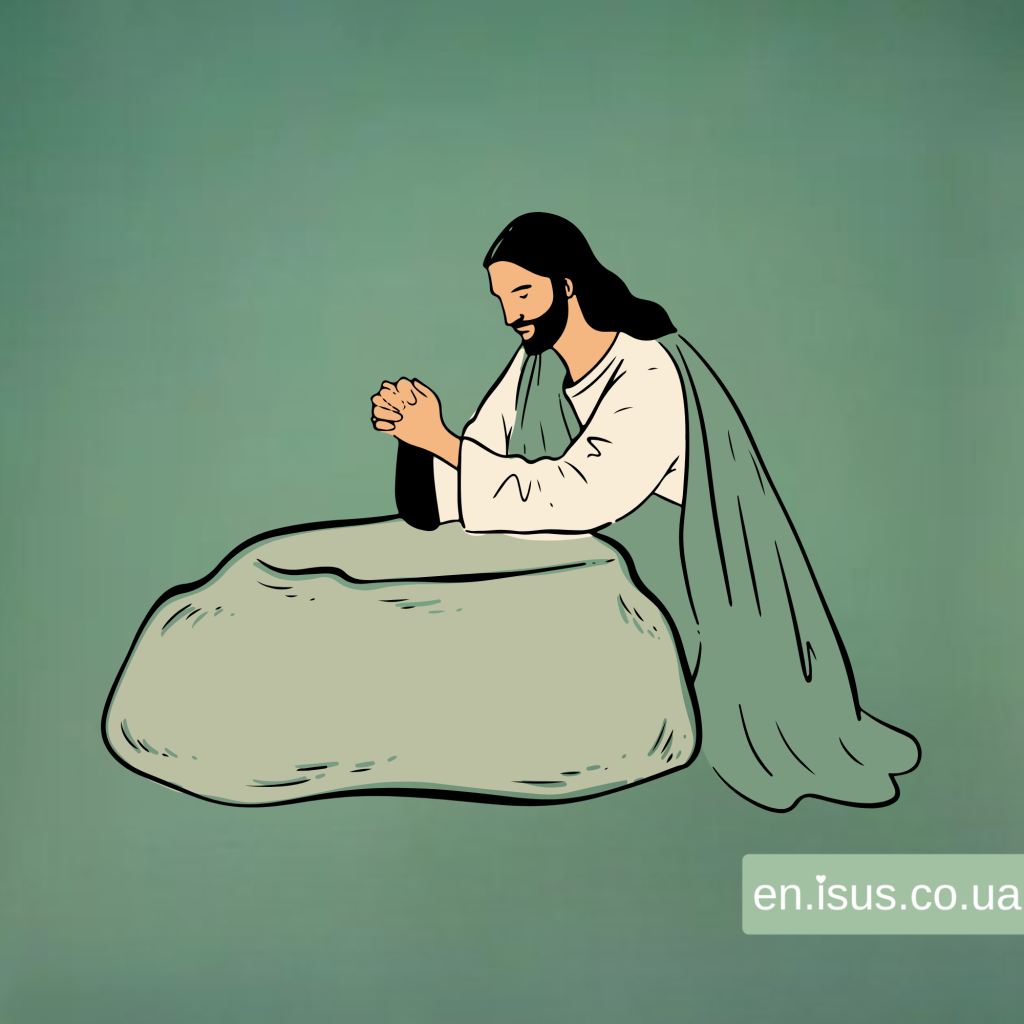
Before His arrest, Jesus prayed 🙏 in the garden 🌳.
He was in such deep anguish that His sweat was like drops of blood (Luke 22:44).
He prayed: “Father, if You are willing, take this cup from Me. Yet not My will, but Yours be done.” (Luke 22:42)
This was not just a prayer of surrender.
It was the peak of faith.
Jesus had the power to escape suffering, but He trusted the Father fully.
His “yes” was harder than any “no.”
Insight: Faith is saying “yes” to God’s decision – even when it hurts.
The Faith of Jesus on the Cross: Trust in Complete Darkness
On the cross, Jesus experienced total abandonment:
“My God, My God, why have You forsaken Me?” (Matthew 27:46)
It was a cry of pain – but also a cry to God, not into emptiness.
Even in that agony, He trusted.
His final words were: “Father, into Your hands I commit My spirit.” (Luke 23:46)
Even in the silence, even in the dark – Jesus trusted.
Faith in action:
- When you’re hurting – talk to God, don’t stay silent
- When it’s hard – entrust your soul like Jesus: not to despair, but to the Father
Table of Examples of Jesus’ Faith
| Situation | What Jesus’ Faith Reveals |
|---|---|
| Desert | Trust in God’s word. Rejection of easy ways. |
| Gethsemane | Humility and willingness to sacrifice despite human fear. |
| The Cross | Depth of trust even in darkness and abandonment. |
Jesus’ Call: “Believe in God, believe also in Me”
“Let not your heart be troubled; believe in God, believe also in Me” (John 14:1)
This is not a command, but an invitation.
Jesus knew it would be hard.
But He asks us to trust Him, because He went through it all: hunger, temptation, betrayal, pain, death – and overcame.
Practical steps of faith:
- When you are afraid – remind yourself: Jesus said not to let your heart be troubled
- Read stories about His trust and say to Him, “Teach me to believe like that.”
- Pray in simple words, like a child, not being afraid to be weak
The faith of Jesus is not abstract, but living.
It is not perfect on the outside, but real on the inside.
It walks through darkness but holds on to the Light.
He showed how to trust when it hurts, when it’s hard, when it’s uncertain.
He believed. And so we can believe. With Him.
How faith is formed: the path of each person
Faith is not a one-time decision, but a journey
Faith does not begin with instant confidence.
It begins with an inner search.
It’s a path each person walks at their own pace: some slowly, through years of questions; others quickly – after a deep experience or crisis.
But always – it is a process.
Faith grows like a tree 🌳:
- first – the seed (interest, doubt, pain, gratitude);
- then – the roots 🫚 (answers, experiences, examples of others);
- and only later – the fruits 🥭 (love, forgiveness, trust, hope).
Faith doesn’t appear fully grown. It grows from trust in the Small that reveals the Great.
How faith arises: through doubt, questions, seeking
The Bible doesn’t condemn doubt.
Jesus didn’t reject Thomas, who wanted to touch before believing.
God doesn’t demand blind faith – He allows us to ask.
What triggers the process of faith:
- pain, loss, crisis – when human answers run out
- search for meaning – when success is reached but emptiness remains
- example – faith of loved ones, sincere stories that touch the heart
- kindness – when someone loves you in a way you don’t deserve
- the Word – a Bible message that speaks “right on time.”
What helps in the search:
- read the New Testament – start with the Gospel of Mark or John
- pray with simple words, even without full understanding – sincerely, like a child 👶
- listen to those who’ve walked the path – real stories of faith carry power
- be honest with God: “I want to believe, help me find You.”
Real-life stories: how faith grows in ordinary life
Story 1: A tired mother
Oksana, a mother of three, had no time for books 📚 or sermons.
She began praying in the kitchen – briefly: “God, help.”
One day she came across a children’s Bible.
Reading it to her kids, she realized for the first time that God is not far away but near, and He doesn’t need “perfect” words.
Story 2: A man in the hospital
Petro ended up in the hospital after a car accident.
He had never believed in God, but lying helpless, a nurse left him a small New Testament.
He began reading out of boredom 😕, and continued – because something touched his heart ❤️.
Now he serves other patients.
Story 3: A teenager and the night sky
Marko, 16, often looked at the stars ✨.
One evening he asked, “Who created all this?”
There was no answer.
Then he opened the Bible, and the first thing he read was: “In the beginning, God created the heavens and the earth.”
From that night, he began to pray – briefly, simply, from the heart.
Practical Tips
| Step | Why it matters |
|---|---|
| Start small – a short prayer, one chapter of the Gospel | Faith grows from simplicity |
| Write down the questions that trouble you | This reveals where your doubts truly lie |
| Talk with those who believe sincerely | Example is more powerful than preaching |
| Allow yourself to be real before God | Faith does not require perfection |
| Note the changes in your heart 🤍 | This helps you recognize growth |
Insight
God is not waiting for you to become “faithful enough.”
He is already near.
Faith does not demand – it invites.
You don’t need to understand everything – it’s enough to trust the One who understands you completely.
Faith begins not with strength – but with trust. Not with proof – but with a step. Not with religion – but with a living heart that says, “God, if You exist – I want to know You.”
With love.
For you.
For the heart that seeks 🔎.
What holds you back from believing?
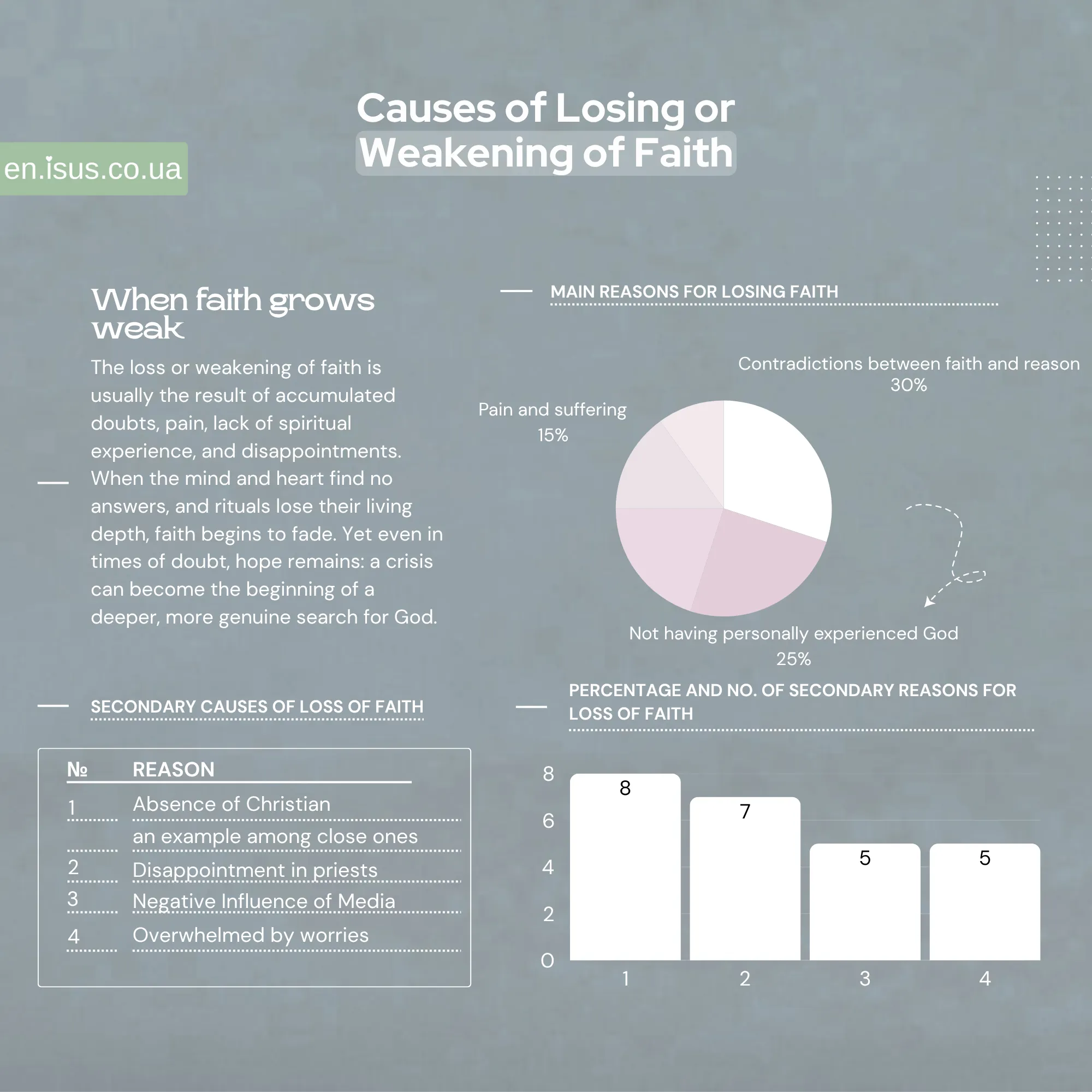
Disappointment, Pain, and Wounds
Faith requires trust. And trust breaks when it hurts
Many people lose faith not because of God, but because of the pain they experienced near Him – in church, in the family, in prayers that seemed unanswered.
Disappointment often comes when a person sincerely expected goodness but received indifference or even condemnation.
Causes of Disappointment:
- Personal tragedies: loss of loved ones, illness, war, injustice
- Hypocrisy of believers: kind words – and cruel actions
- Unanswered prayer: the hope for a miracle – and silence in response
What to do:
- Call pain by its name. Admit that it hurts. Don’t hide it. Don’t be ashamed of tears
- Speak to God as you are. Prayer doesn’t require “correct” words – God hears both whispers and cries
- Find those who truly believe. Not everyone is the same. Some believers serve with love, sincerely, and compassionately. Seek – and you will find
- Read Scripture with a wounded heart. The Bible contains much pain. It is not hidden. David, Job, Jesus – they all cried out to God in their anguish
The Gap Between Form and Essence
Religious form without a living heart is an empty vessel.
You can attend church, recite prayers, know the rituals – and still not have living faith.
When the outward doesn’t match the inward, a crisis of trust is born.
Signs of this gap:
- Rules are present, but love is absent
- Everything looks festive, but the soul remains hungry
- Worship is full of words, but lacks truth that transforms life
What to do:
- Ask the question: “Where is God in this?” In every ritual, tradition, and prayer
- Seek not religion but a Person. Faith is not a system – it’s a relationship
- Start small. One sincere “thank you,” one real “forgive me,” one honest “God, I’m here” is more important than ten pages of heartless prayers
Lack of Personal Experience
It’s hard to believe in Someone you haven’t met.
When faith is based only on someone else’s words, it becomes theory.
Without personal encounters with God, everything sounds like a fairytale for others.
Symptoms:
- “This isn’t for me – it’s for someone else.”
- “I tried – and felt nothing.”
- “No one explained to me how this is supposed to work.”
What to do:
| Step | What to Do and Why It Matters |
|---|---|
| 1 | Honestly say to God: “I want to find You.” – Faith begins with desire. |
| 2 | Read one chapter from the Gospel in silence. – God’s voice isn’t always loud. He speaks through His Word. |
| 3 | Write down your thoughts, questions, even anger. – This opens space for dialogue with God. |
| 4 | Ask for a real encounter: “Show Yourself to me for real.” – God hears even the simplest prayer. |
| 5 | Find real-life stories of people who met God. – Testimonies bring hope and show that it’s possible. |
Conclusion
Believing can be hard.
But hard doesn’t mean pointless.
Disappointment, pain, and doubt do not repel God.
On the contrary – that’s often where He begins to act.
He doesn’t need our strength. He needs our honesty.
“Even if your faith now is like a small flashlight 🔦 in the darkness, God is already walking toward you with light in full measure.”
Faith and Reason: Do They Contradict Each Other?
Faith and Reason: A Union, Not a Conflict
Faith does not cancel thinking.
Faith does not deny knowledge.
Faith is not blind submission, but courageous confidence in the Invisible – something that does not contradict, but rather strengthens the power of reason.
Faith opens the heart to what cannot be contained in equations but reaches into the deepest parts.
The mind 🧠 analyzes, verifies, compares.
Faith chooses, trusts, follows.
These paths do not diverge – they walk side by side.
“Reason gives us the questions. Faith gives us the strength to seek the answers.”
(modern Christian wisdom)
Scientists Who Believed in God
| Name | Views on Faith |
|---|---|
| Isaac Newton | Considered the universe evidence of an intelligent Creator |
| Blaise Pascal | Wrote Pensées about the human heart and belief in God |
| Johannes Kepler | Saw the Creator’s hand in the laws of the cosmos |
| Louis Pasteur | A Catholic who believed science reveals God’s wisdom |
| Francis Collins | A Christian, author of The Language of God, leader of the Human Genome Project |
These scientists didn’t choose between faith and science – they combined deep research with deep belief.
They weren’t afraid to ask questions and weren’t ashamed to believe.
Their discoveries became bridges, not barriers, between logic and trust.
Why Faith Isn’t Blindness
- Faith doesn’t mean “don’t think.” Faith means thinking deeper
- Faith doesn’t mean “just accept.” Faith is a personal decision to trust, based on reason
- Faith doesn’t cancel the mind – it complements what the mind cannot grasp
Example: A child doesn’t understand how the heart works but trusts her mother holding her close. That’s not naivety. That’s real knowledge of love – through the heart.
Practical Insights for Those Who Doubt
- Questions aren’t enemies of faith – they’re its starting point
- Jesus Himself asked questions. He didn’t demand blind following; He invited dialogue
- Doubts are like wind for a sail – they move the heart toward deeper trust
- Combine faith with exploration: read, listen to stories, ask questions. God isn’t afraid of your thoughts
Write down what’s important for you to understand, then seek answers – in the Bible, in conversations, in books, in reflection.
Faith isn’t the shadow of reason – it is its light.
It helps you see what hasn’t yet been proven, but is already felt.
It leads when logic stops.
And it always walks alongside reason – hand in hand.
Not to close your eyes, but to open your heart ❤️.
“Faith isn’t when you have no questions. It’s when you’re not afraid to seek answers together with God.”
How to Live by Faith Every Day
Prayer as the Breath of Faith
Prayer isn’t a duty or a ritual.
It’s a conversation with God – as natural as breathing.
It doesn’t have to be memorized – it starts with simple words: “Lord, I’m here.”
God doesn’t expect perfect phrases – He only wants a sincere heart.
Daily prayer:
- In the morning – gratitude for a new day and trust for what’s ahead
- During the day – short prayers: “Help,” “Give me strength,” “I’m with You.”
- In the evening – a summary of the day: what went well, what didn’t, what was learned
The form doesn’t matter.
You can speak out loud, whisper, think silently, sing, or even draw.
What matters is being real.
Practice:
- Keep a prayer journal – write down what you talked to God about and how He responds
- Learn silent prayer – just be in His presence without words
“Even if you’re silent, but turn to Him with your heart – He hears you completely.”
Choosing to Trust – in Small and Big Things
Faith is action.
It’s not just thinking about God, but choosing daily to rely on Him – even when everything feels uncertain.
Examples of trust in simple things:
- Not panicking when plans fall apart
- Not taking revenge when you’re hurt
- Choosing truth even when it’s harder
Examples of trust in difficult moments:
- Waiting for God’s answer instead of rushing into chaos
- Not losing hope when prayers go unanswered for a long time
- Entrusting loved ones to Him when you can’t protect them yourself
Steps:
- Write down what’s hard for you to trust God with
- Name your fears clearly in prayer
- When making decisions, ask: “Is this from trust or from fear?”
“Trust is holding God’s hand even when you can’t see the road.”
Faith in Action: Love, Good Works, Forgiveness, Mercy
Faith isn’t only in the heart.
It lives through actions.
If I believe in God, then I love, share, forgive, and help.
Faith in action:
| Sphere | Action |
|---|---|
| Love | Love those who do not return love |
| Love | Pay attention to a lonely person |
| Good deeds | Be God’s hands |
| Good deeds | Buy groceries for a neighbor who cannot go out |
| Forgiveness | Give your pain to God |
| Forgiveness | Say “I forgive you” and hold no grudge |
| Mercy | See another’s pain as your own |
| Mercy | Visit the sick and offer words of support |
Tip: Choose one kind act a day as an expression of faith.
It doesn’t have to be something big.
Even a loving smile is already an act of faith.
“When faith is alive, it reaches others through your hands and heart.”
Struggle and Growth: How Not to Lose Faith in Difficult Times
Hard times don’t mean the end of faith.
They are when faith takes root more deeply.
Faith is not always peace.
Sometimes, it is struggle through tears.
What helps keep faith alive:
- Memory of God’s past faithfulness
- Honest prayer – don’t hide your doubts, tell God everything
- Community – even one believer nearby can hold you when you can’t
- God’s promises – read them aloud
For example:
“I am with you, do not be afraid” (Isaiah 41:10);
“My power is made perfect in weakness” (2 Corinthians 12:9)
Resources:
- Write down 5 moments when God sustained you
- Make a list of Bible promises that strengthen you
- Choose a “holding sentence” for each day, like:
“My faith is His love within me”
“Don’t be ashamed of your struggle. God is near not when you’re perfect, but when you most need His love.”
To live by faith every day means to breathe with God, trust in the small things, act with love, and grow even in the dark.
This is a journey.
Slow, real, good.
And He walks this road with you.
Faith in the Modern World
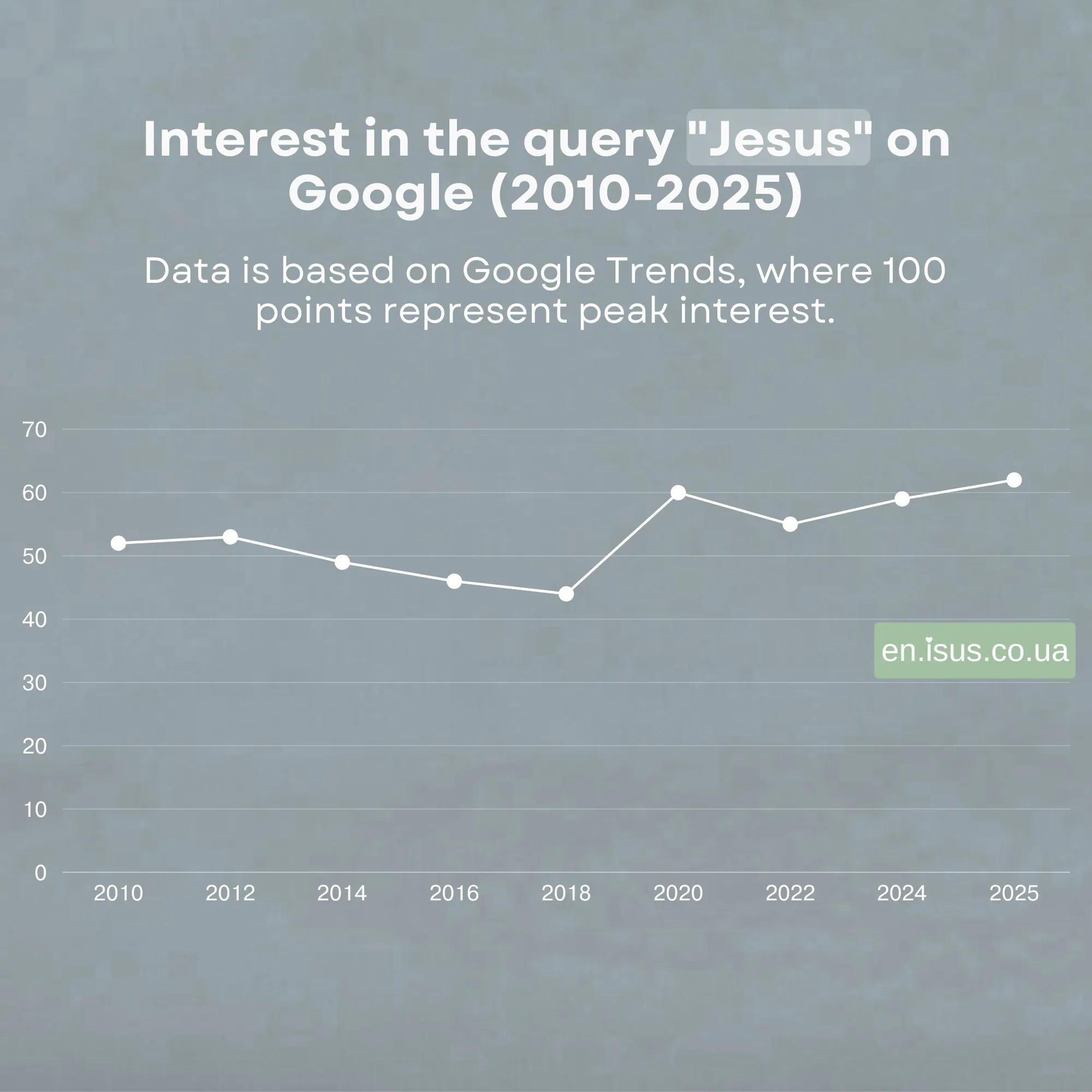
Is Faith Still Needed in the Technological Age?
In a world where nearly any question can be answered by artificial intelligence 🤖 in seconds, the idea of faith might seem outdated.
Yet it is precisely in the age of smart machines, automated systems, and digital acceleration that we face a deep need for what cannot be measured – relationships, trust, hope, love, eternity.
Faith is not an outdated relic.
It is a living response to the deep questions that no device 📱 can solve.
5 reasons why faith remains relevant:
- Technology can’t heal the heart. AI can analyze emotions, but it can’t embrace. God can
- Being intelligent doesn’t mean being fulfilled. Faith gives meaning that even the most successful career cannot
- No app can heal the soul. But prayer can speak directly to God
- Humanity seeks control but fears the unknown. Faith teaches trust in the One who holds the future
- People around the world continue to believe – not blindly, but consciously. Faith becomes a personal answer to the challenge of reality.
Insight: In a technological age, we don’t need less faith – we need deeper faith. The kind that doesn’t stop at words, but touches life.
Making Room for God in a Life Flooded with Information
Every day, we receive over 70 GB of information – news, messages, videos 🎬, comments, ads.
The human brain can’t process it all – and grows tired.
In this overload, space for silence, prayer, and peace disappears.
Yet it’s in silence that God’s voice is often heard most clearly.
How to make room for God – practical steps:
- Spend 10 minutes in silence each day. No phone. Just be with God
- Read one Bible verse daily – not out of duty, but like a sip of living water
- Download a Bible or prayer app. Let tech deepen your faith
- Set a phone reminder: “Have I been with God today?”
- Create a small sacred space – even a mug that says “God is near” can be a daily reminder.
Insight: The louder the world gets, the greater the need for God’s presence. You may not see Him—but you will feel Him in your heart.
Why Thousands Are Seeking Jesus Again Today
War, loss, illness, injustice, stress, loneliness – these all disturb the heart.
When the world offers no answers, people look upward again.
Jesus is not a concept. He is a Person who speaks to each one of us.
Reasons people are returning to faith:
- People seek meaning, not just functions
- Interest in spirituality is rising among youth (Pew Research, 2023: 44% of young people are openly interested in faith)
- After loss, people don’t want theories – they seek Someone who faced death and rose again
- Jesus answers heart-level questions, not just intellectual ones
- His life inspires – not only with words, but through acts of love, forgiveness, and power
| What People Seek | What Jesus Offers |
|---|---|
| Life’s meaning | “I am the way, the truth, and the life” |
| Acceptance | “Whoever comes to Me I will never cast out” |
| Hope | “I am with you always” |
| Soul healing | “Come to Me, all who are weary” |
| Forgiveness | “I did not come to judge but to save” |
Insight: Jesus is not afraid of our questions. He doesn’t demand perfection. He calls – gently, persistently, with love: “Come to Me… I miss you.”
The world is changing.
Technology is advancing.
But the human heart remains the same – it longs for Love, Hope, Presence.
That’s why faith in God is not an escape from reality, but the deepest answer to it.
In an age of intelligent machines, faith returns us to what is most simple and most real – the love of God that never shuts off.
Faith is not a leap into darkness. It is a step into the light that shines 💡 in the heart. Jesus is near. Even when it feels like He is not. Especially then.
Conclusion: Faith is an invitation
God does not force – He invites
God never forces anyone to believe.
He doesn’t impose Himself, pressure, or demand proof.
His love is tender and free, like a breath of spring wind.
It comes quietly, when the heart is ready to hear.
Throughout all of human history – from the first pages of the Bible until today – God has always acted through invitation:
“Here I am! I stand at the door and knock…” (Revelation 3:20)
His knock is gentle, but constant.
Sometimes through silence, sometimes through pain, sometimes through unexpected joy.
It is a call: “I am with you. Come out to Me.”
Faith begins with a small “yes“
Faith doesn’t begin with big decisions or loud words.
It is born in a simple, genuine “yes” in the heart ❤️.
- “Yes, I want to know You, God.”
- “Yes, I believe You are near.”
- “Yes, I will try to trust You.”
This “yes” is small, like a mustard seed.
But from it grows a great tree of life.
It was this small “yes” that Mary gave when the angel told her of Jesus’ birth.
This is how the journey begins for anyone seeking God – not with all the answers, but with a simple desire to be with Him.
A path where you don’t need to know everything – just to walk with Him
God is not waiting for you to be perfect.
He doesn’t need your textbooks, diplomas, flawless plans, or deep theology.
He wants your heart.
Faith is a journey:
- where the road ahead isn’t always clear
- where there may be tears, but also comfort
- where there are no guarantees, but a promise – “I am with you.”
You don’t need to have all the answers.
One step is enough.
One at a time.
Jesus didn’t say: “Explain everything about Me” – He said:
“Follow Me.”
To walk with Him is not a path to perfection, but a path to authenticity.
It’s trust that grows with every step.
It’s light that doesn’t blind, but gently leads with love, day by day.
An invitation for the heart
| What God DOESN’T do | What God DOES |
|---|---|
| He doesn’t force | He invites |
| He doesn’t accuse | He forgives |
| He doesn’t punish weakness | He supports and lifts up |
| He doesn’t ignore doubt | He responds with patience |
| He doesn’t demand perfection | He lovingly accepts you as you are |
Prayer of Response
“God, I don’t know everything, but I want to walk with You. Teach me to trust. Give me a heart that can say ‘yes’ even when it’s afraid. I believe You are near. Amen.”
This is only the beginning.
God isn’t waiting for you to change – He wants to walk with you right now.
His love is gentle, deep, and unchanging.
And this invitation — it’s for you.
What is faith? What does it mean to have faith in God?
What is Faith
Faith is not a feeling and not an abstract concept.
It is trust.
A conscious decision to rely on the One you cannot see, but in whose presence your heart finds peace.
The Bible says: “Now faith is the substance of things hoped for, the evidence of things not seen.” (Hebrews 11:1)
This means that faith is not fantasy, but a foundation on which hope stands.
It leads through the fog when there is no clear path and gives inner confidence when everything around is unstable.
What is Faith in God
Faith in God is a personal connection.
Not a system of prohibitions, not formal rituals, but living trust in a loving Father.
It is the confidence that His Word is true, His heart is open, His will is good.
“But without faith it is impossible to please Him, for he who comes to God must believe that He is, and that He is a rewarder of those who diligently seek Him.” (Hebrews 11:6)
Faith in God begins with a simple “Yes” in the heart.
It is a response to God’s love.
Faith is not “I have to,” but “I trust.”
The Example of Jesus Christ
Jesus Himself showed the example of perfect faith.
He prayed, listened to the Father, and trusted in the most difficult moments:
- in the wilderness, when temptation was strong
- in the Garden of Gethsemane, when fear gripped His soul
- on the cross, when all seemed lost
Jesus lived in complete trust in God, even when it was hard.
He knew: the Father was near.
How Faith Grows
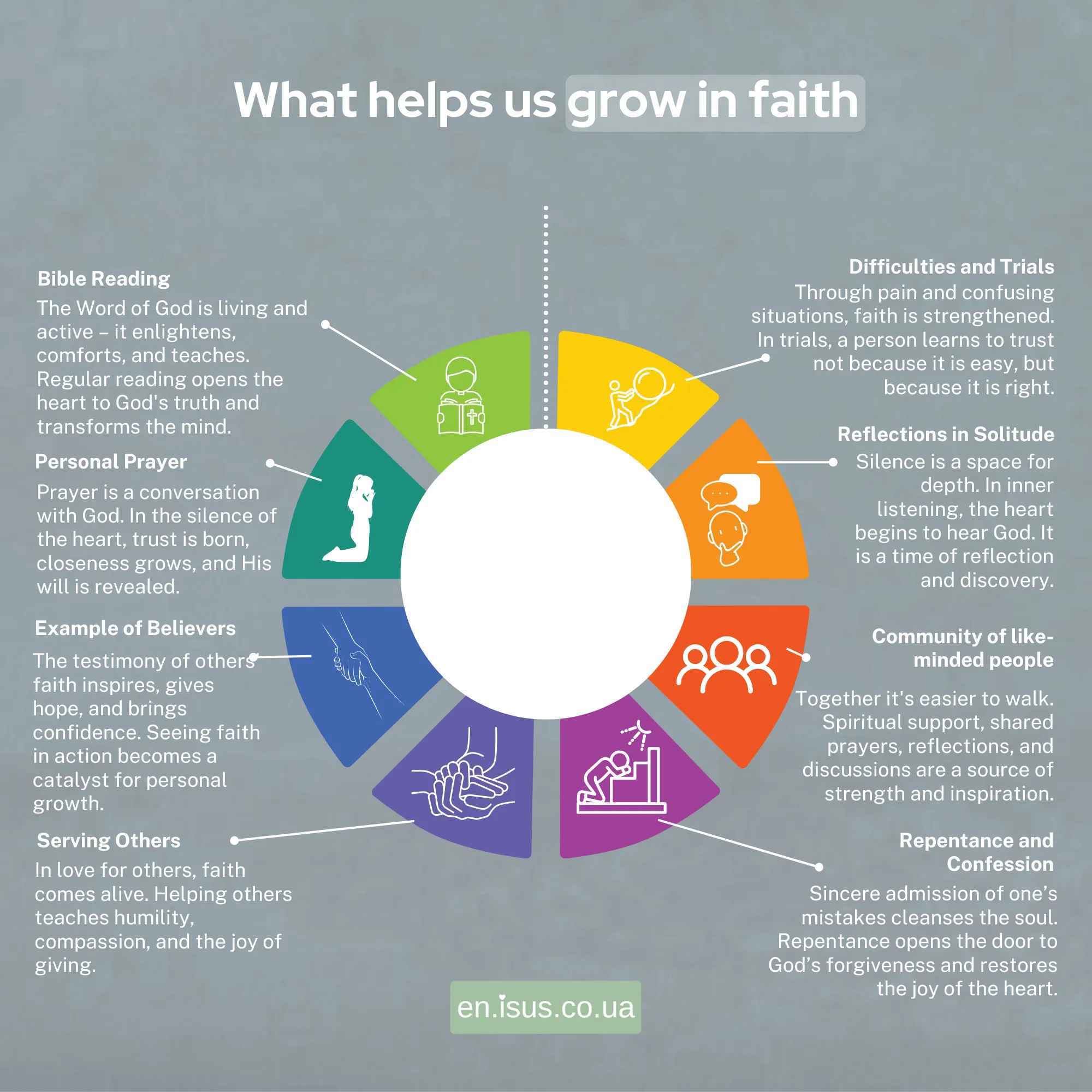
Through the Word
“Faith comes from hearing, and hearing through the word of Christ” (Romans 10:17).
Read the Bible daily. Even a single chapter can shift your thoughts and transform your heart.
Through Prayer 🙏
Even if you don’t know how to pray – just talk to God.
Like to a friend.
Like to a loving Father.
Through Choice
Every day we either trust God or our fears.
Small choices shape strong faith.
What Hinders Faith
- Disappointment in people who believe only outwardly
- Pain that remains unanswered
- A sense of personal unworthiness
God knows all of this and does not reject you.
On the contrary – He invites you.
Faith grows when we honestly admit our weakness and choose to trust even when it’s hard.
Practical Steps
| Step | What to do and why |
|---|---|
| 1 | Open the Bible (for example, the Gospel of Luke) – to see who Jesus is. |
| 2 | Say aloud: “Lord, I want to believe” – an invitation is the beginning of the journey. |
| 3 | Find a community (online or in real life) – faith is strengthened in unity. |
| 4 | Keep a faith journal – to record prayers, answers, and reflections. |
| 5 | Do good – because faith without works is dead, and good deeds open the heart. |
Appendices
Bible Verses About Faith
John 20:29: “Blessed are those who have not seen and yet have believed.”
Mark 11:24: “Whatever you ask for in prayer, believe that you have received it, and it will be yours.”
Proverbs 3:5: “Trust in the Lord with all your heart and do not lean on your own understanding.”
Testimonies of Believers
- “I had nothing but tears and sleepless nights. But that’s when God came – not through thunder, but through a quiet peace I couldn’t explain.”
- “Faith didn’t come instantly. First came the desire to know. Then – a conversation. Then – a love that could not be ignored.”
Questions for Personal Reflection 💭
- Why is it important for me to believe?
- How do I imagine God?
- What does trust mean to me?
- Was there a moment in my life when God was near, even if I didn’t realize it?
Conclusion
Faith is not proof, not doctrine, not demand.
It is an open heart before a God who is always near.
You don’t need to know everything.
You just need to take one step.
One small step of faith – and God will do the rest.